
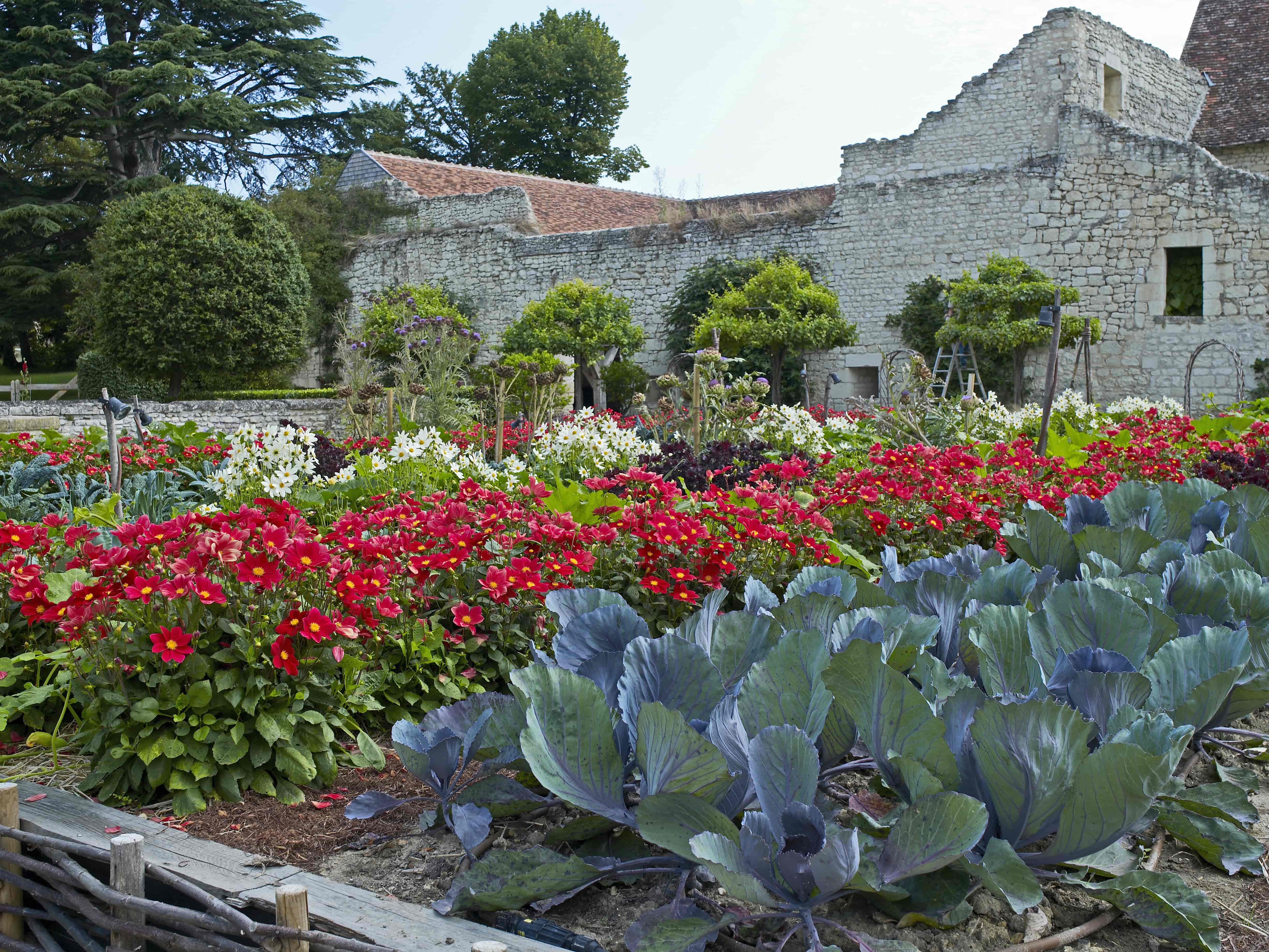
Why must a garden be divided into "pretty" plants in the front yard and "useful" plants in the back? For generations, homeowners have followed an unwritten rule: Roses and hydrangeas go where the neighbors can see them; tomatoes and lettuce hide behind the fence near the compost bin. But this invisible wall is crumbling.
A new design philosophy known as "Edible Landscaping" (or Foodscaping) is proving that a vegetable garden doesn't have to look like a farm. It can be a stunning, sculptural element of your home’s curb appeal. By treating kale like a fern and blueberry bushes like boxwoods, you can create a yard that feeds your eyes and your family. Here is how to break the rules and design a landscape that is as delicious as it is beautiful.
The Core Philosophy: "If You Can Eat It, It’s Still a Plant"
The biggest mistake beginners make is treating food plants purely as crops. They plant them in straight, military-style rows. To design a beautiful edible landscape, you must stop thinking like a farmer and start thinking like an artist.
Texture: Curly Kale has frilly, deep green leaves that rival any ornamental fern.
Color: Rainbow Chard offers electric shocks of pink, yellow, and orange stems that are brighter than many flowers.
Structure: An espaliered apple tree (trained to grow flat against a wall) is as architectural and sophisticated as climbing ivy.
When you evaluate a plant based on its looks first and its yield second, you unlock the secret of the edible landscape.
The Foodscaping Design Guide
You don't need to rip out your lawn to start. The easiest way to begin is by swapping traditional ornamental plants for edible look-alikes.
Swap Boxwoods for Blueberry Bushes: Boxwoods are the standard choice for low hedges. But Highbush Blueberries offer the same dense, green structure. Plus, they turn a brilliant crimson red in the fall (just like a Burning Bush) and give you pounds of berries in July.
Swap Hostas for Rhubarb or Swiss Chard: Hostas are loved for their big, leafy foliage. Rhubarb offers giant, prehistoric-looking leaves with striking red stalks. It thrives in similar cool spots and adds a dramatic focal point to a flower bed.
Swap Ivy for Pole Beans: Do you have a trellis or an arbor? Instead of decorative clematis, plant Scarlet Runner Beans. They produce vibrant red flowers that attract hummingbirds, followed by delicious pods.
Design Principle 1: The "Potager" Layout
The French have done this for centuries in "Potager" gardens. The trick is geometry. Instead of long, messy rows, plant your edibles in geometric blocks.
The Centerpiece: Use a standard raised bed, but arrange the plants in patterns—like a checkerboard of red and green lettuce, or a diagonal stripe of marigolds (which repel pests) and basil.
The Edge: Use "tidy" plants for the borders. Alpine Strawberries or Thyme make excellent, low-growing edging plants that spill softly over a walkway, looking intentional rather than overgrown.
Design Principle 2: Vertical Interest (The "Food Forest")
A flat garden is a boring garden. You need height to draw the eye up.
Fruit Trees: You don’t need an orchard. A single Dwarf Fruit Tree (apple, pear, or cherry) can be planted in a large pot or a corner bed.
The "Living Wall": Use a cattle panel or wooden lattice to grow vining crops like cucumbers or squash vertically. This screens bad views (like an AC unit) and keeps the vegetables off the ground, preventing rot.
The "Front Yard" Rules
If you are planting in the front yard, you must respect the neighborhood aesthetic. A sprawling pumpkin patch might annoy the HOA.
Rule of Thumb: Keep the "messy" plants in the back. Tomatoes and corn tend to look ragged by late summer. Keep them hidden.
Front Yard Stars: Stick to plants that stay neat all season. Peppers, eggplants (with their lovely purple flowers), and herbs like Rosemary and Lavender look structured and intentional until the first frost.
Container "Foodscaping"
If you don't have a yard, you can still foodscape. The trend of "Cocktail Gardens" involves planting herbs and edible flowers specifically for drinks.
The Design: Use a high-end ceramic pot (not plastic). Plant a "Thriller" (Lemongrass for height), a "Filler" (Purple Basil for volume), and a "Spiller" (Mint or Thyme trailing over the edge). It looks like a $100 floral arrangement, but it supplies your kitchen for months.
Conclusion
Your garden is valuable real estate. Why devote it entirely to plants that just sit there? By weaving food into your design, you create a landscape that is interactive. You don't just look at your garden; you taste it, smell it, and harvest from it. It connects you to the seasons in a way a lawn never could.



