
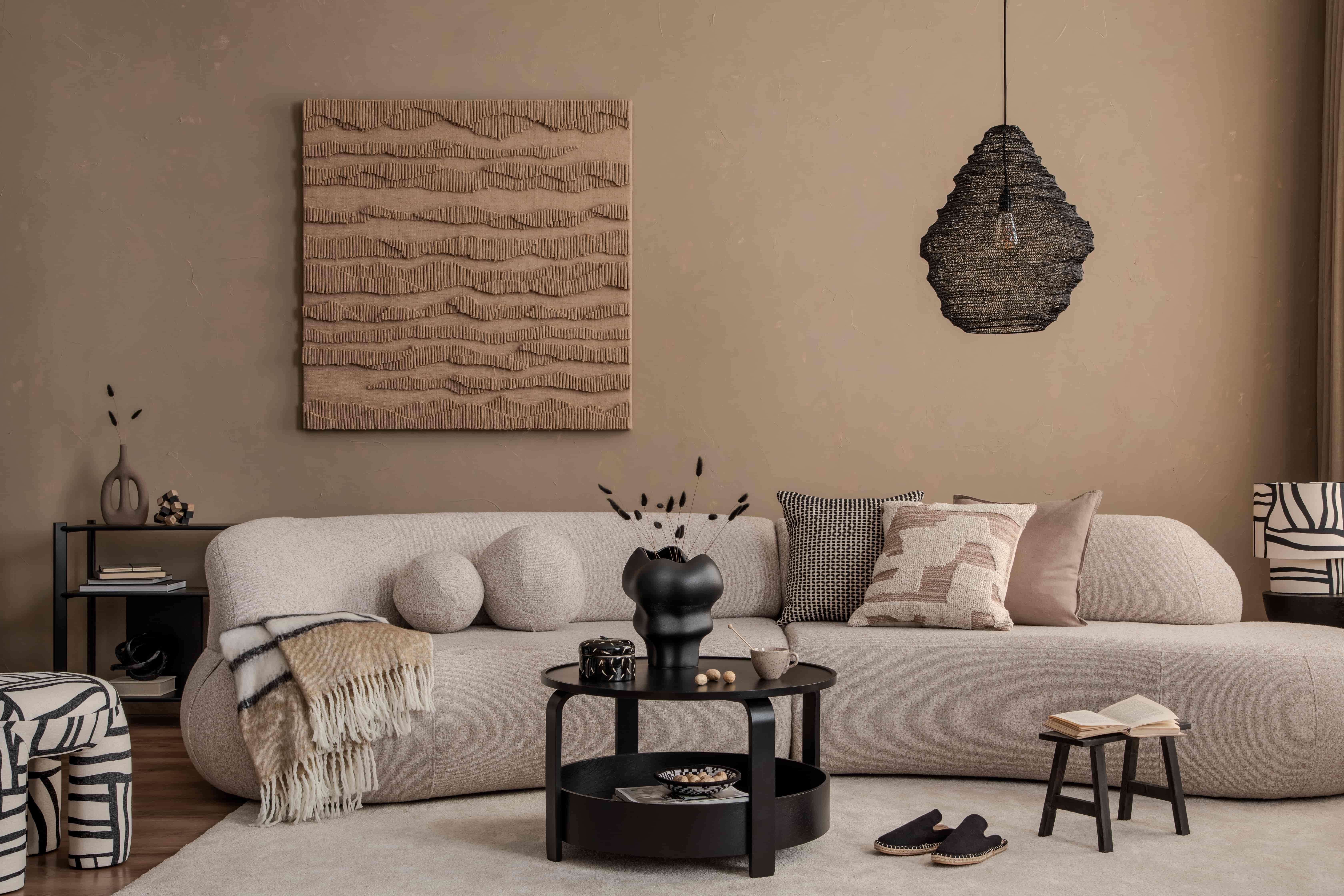
You have bought the house, scrolled through thousands of Pinterest images, and stood in the middle of your living room holding a paint swatch that looked "Beige" in the store but looks "Muddy Brown" on your wall. You know you need help. But there is a mental barrier stopping you from making the call: The Fear of the Blank Check. For decades, hiring an interior designer felt like a luxury reserved for the ultra-wealthy, a mysterious process where you wouldn't know the final bill until it was too late.
Gradually, that opaque model is dying. The industry has shifted radically toward transparency, driven by a new generation of homeowners who demand to know exactly what they are paying for upfront. Whether you have $500 to refresh a bedroom or $50,000 to overhaul a kitchen, there is now a pricing model that fits your wallet. This guide breaks down the real costs of hiring a pro in 2026, decoding the jargon of "Flat Fees," "Cost Plus," and "E-Design."
The Old Guard: Hourly Rates ($100 – $500/hour)
While fading, the hourly model is still common for smaller consulting gigs or renovation project management.
Junior Designers: Expect to pay $75 – $125 per hour. These are often talented newcomers building their portfolio. They are perfect for "Design Day" services where you just need someone to pick paint colors and arrange furniture.
Mid-Level Designers: $150 – $250 per hour. This is the sweet spot for most homeowners. They have the experience to prevent costly mistakes (like ordering a sofa that doesn't fit through the door) and the vendor connections to get you better pricing.
Principal/Luxury Designers: $300 – $500+ per hour. You are paying for a brand name and a signature style.
The Risk: "Scope Creep." A simple 10-hour project can easily balloon into 20 hours if you are indecisive. If you choose this model, ask for a capped estimate.
The New Standard: Flat Rate Interior Design Packages
This is the model most homeowners prefer today. It eliminates the anxiety of "the clock is ticking."
Per Room Rates: The average flat fee for a comprehensive design (layout, furniture selection, and styling) ranges from $2,000 to $5,000 per room.
Living Rooms/Kitchens: Higher end ($4,000 - $8,000) due to complexity.
Bedrooms/Home Offices: Lower end ($1,500 - $3,000).
The Benefit: You know the design fee on Day One. It aligns the designer’s incentives with yours, they want to finish the project efficiently, not drag it out to bill more hours.
The "Cost Plus" Model (Hidden Fees Warning)
Some designers charge a lower design fee but make their profit on "Procurement."
How it Works: They buy the furniture for you at a "Trade Discount" (usually 20-40% off retail) but then charge you the full retail price (or a markup percentage).
The Math: If a sofa costs $3,000 retail, the designer might buy it for $2,000. They keep the $1,000 difference as their fee.
Is it Worth It? Yes, if they handle the logistics. This fee usually covers ordering, tracking shipping, receiving the item at a warehouse, inspecting it for damage, and delivering it to your home. You are paying for the white-glove service, not just the sofa.
The Budget Option: E-Design Services
If you are willing to do the legwork (measuring rooms and ordering items yourself), E-Design is the ultimate value play.
The Cost: $199 – $999 per room.
What You Get: You upload photos and dimensions. Two weeks later, you receive a digital "Mood Board," a 3D floor plan, and a shopping list with clickable links to retail stores (West Elm, Wayfair, Crate & Barrel).
The Catch: No hand-holding. If the rug arrives and the color is wrong, you are the one driving it back to FedEx.
Interior Designer vs. Decorator: A Cost Distinction
Don't pay Designer rates for Decorator work.
Interior Designer: Licensed and trained to move walls, plan electrical layouts, and oversee construction. Higher Cost.
Interior Decorator: Focuses on aesthetics—furniture, curtains, paint, and rugs. They do not touch structure. Lower Cost (usually 20-30% less).
Conclusion
Hiring a designer is an investment, not an expense. A good designer saves you money by preventing the "I bought the wrong size rug" mistake and increasing your home's resale value. In 2026, with flat-fee transparency and affordable e-design options, the question isn't "Can I afford a designer?", it's "Can I afford not to hire one?"



