
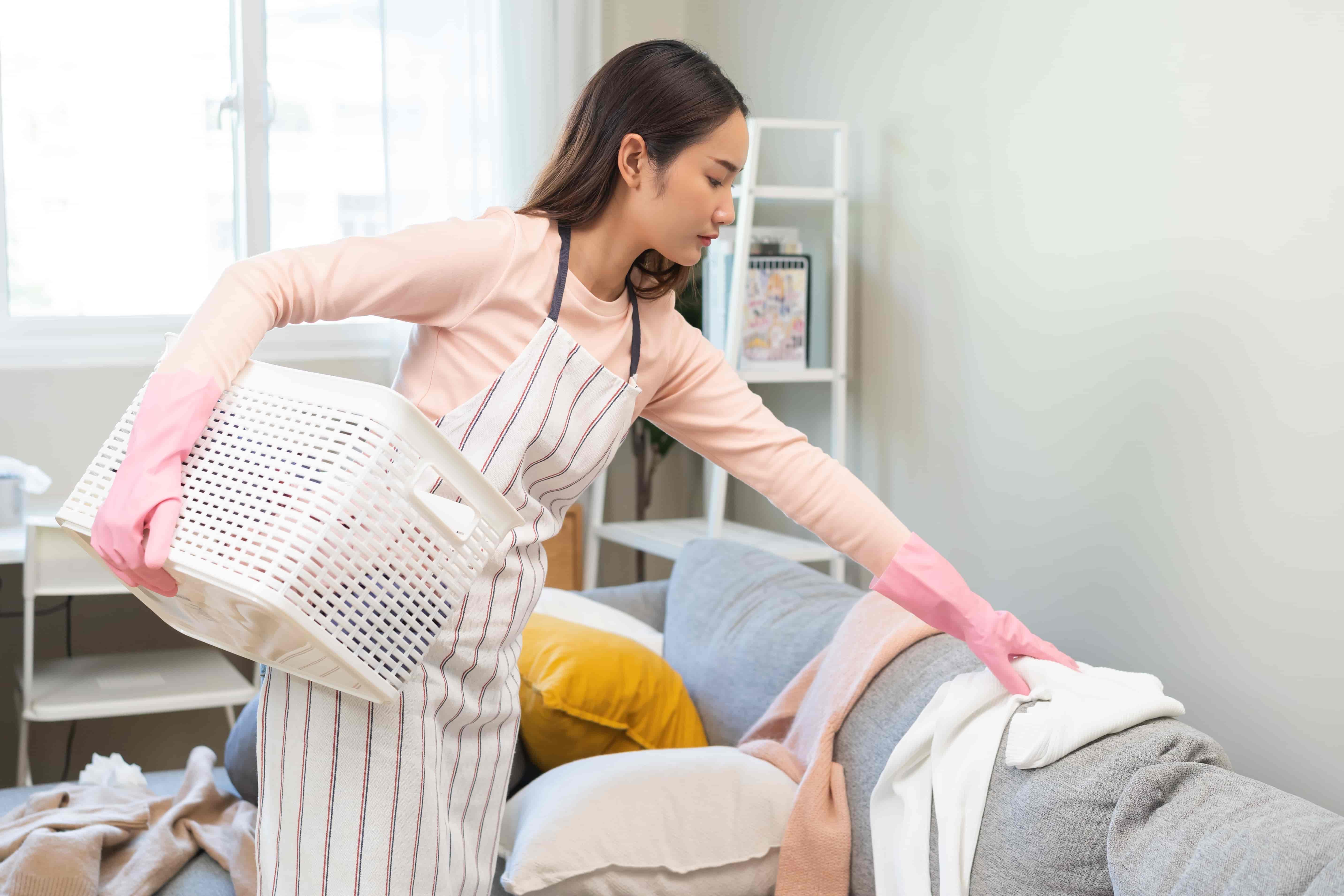
Does your house smell "clean" after the maid leaves, or does it smell like a chemical plant? For decades, we were trained to associate the sharp sting of bleach and the artificial scent of "Mountain Breeze" with hygiene. But in the digital age, the definition of clean has changed. We now know that the air inside our homes can be 2 to 5 times more polluted than the air outside, largely due to the Volatile Organic Compounds (VOCs) sprayed by traditional cleaning crews.
If you have a toddler crawling on the floor, a dog licking its paws, or anyone in the family with asthma, the chemicals used to clean your home matter just as much as the food you eat. This is why Green or eco-friendly house cleaning has moved from a niche trend to a standard expectation. Here is why switching to an eco-friendly service is the smartest health decision you can make this year.
What Does "Green Cleaning" Actually Mean?
Eco-friendly house cleaning seems like a buzzword. But in the cleaning industry, it has a specific definition. A legitimate green cleaning service avoids products containing:
Ammonia & Bleach: Known respiratory irritants.
Phthalates: Often found in fragranced products, these are known endocrine disruptors.
Formaldehyde: A carcinogen often found in heavy-duty disinfectants.
Instead, they use products certified by EPA Safer Choice or Green Seal. These utilize ingredients like hydrogen peroxide, citric acid, and plant-based surfactants to break down dirt without leaving a toxic residue.
Understanding the "Does It Actually Work?" Myth
The biggest hesitation homeowners have is efficacy. "Can vinegar and lemon really kill the stomach flu virus?" In 2026, green cleaning isn't just baking soda and vinegar. Professional green cleaning companies use hospital-grade botanical disinfectants (often based on thymol, derived from thyme oil).
The Science: These products are EPA-registered to kill 99.9% of bacteria and viruses (including flu and Norovirus) just as effectively as bleach, but without the corrosive fumes. You get the sanitation without the side effects.
The Pet and Child Safety Factor
Pets and children are the "canaries in the coal mine." They are smaller, breathe faster, and spend their time on the floor.
The Risk: Traditional floor cleaners often leave a chemical film. When a cat walks on the floor and then grooms itself, it ingests those chemicals.
The Green Solution: Pet safe cleaning services use pH-neutral floor cleaners that are fully biodegradable. If your baby drops a pacifier on the floor, you don't have to panic about what they are putting in their mouth.
The Cost Comparison: Is It More Expensive?
Years ago, organic cleaning cost a premium. Today, the gap has closed.
Availability: Because "Green" is now mainstream, supplies are cheaper.
The Price Tag: Expect to pay roughly 5% to 10% more for a specialized green cleaning service compared to a standard one. On a $150 cleaning bill, that is an extra $10.
The Value: For that $10 that you are spending to buy organic cleaning products, you are buying better indoor air quality and reduced allergy symptoms for your entire family.
How to Vet a Green Service?
Don't just trust the logo on the website. Ask these questions before you book:
"Do you use microfiber cloth?" (Microfiber removes 99% of bacteria mechanically, reducing the need for chemical sprays).
"Can you send me the Safety Data Sheets (SDS) for your main products?" A real green company will share this instantly.
"Do you offer fragrance-free options?" Real green cleaning should smell like nothing—or perhaps faint essential oils, instead of synthetic perfume.
Conclusion
Your home is your sanctuary. It shouldn't come with a warning label. Switching to green cleaning is one of the easiest ways to detoxify your life. You get the same sparkling countertops and shiny floors, but instead of the smell of bleach, you get the peace of mind that your home is safe for every human and living being thriving inside it.



