
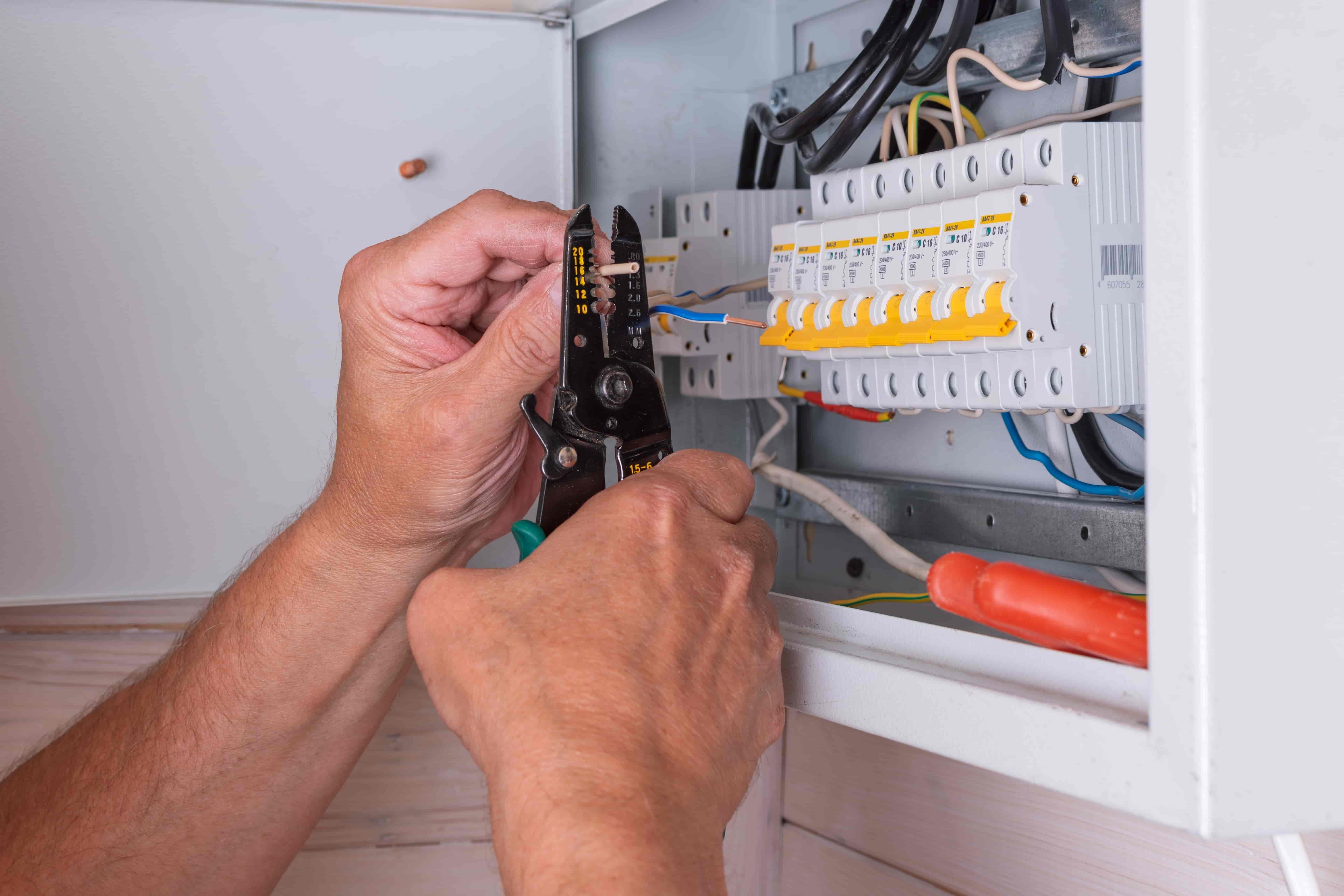
When was the last time you thought about the gray metal box in your basement or garage? For most of us, the electrical panel is invisible, until the moment the lights go out. We treat it like a magical infinite resource, plugging in air fryers, EV chargers, and 65-inch TVs without a second thought. But here is the hard truth: the electrical infrastructure in many American homes was built for a world of toaster ovens and clock radios, not the high-tech, high-demand lifestyle of modern times.
If you are noticing flickering lights or finding yourself constantly resetting circuit breakers, your home isn’t just annoyed; it’s sending you a warning signal about electrical panel replacement. An outdated electrical panel is more than an inconvenience, it’s a leading cause of residential fires. So, how do you know when it’s time to stop repairing and start replacing?
The Lifespan of an Electrical Panel: Nothing Lasts Forever
Electrical panels are robust, but they aren't immortal. The average lifespan of a circuit breaker box is 25 to 40 years. If your home was built in the 1980s or earlier and the panel hasn't been touched, you are living on borrowed time. Components degrade. Wires loosen. The insulation around connections can become brittle. More importantly, safety codes have evolved. Modern panels require Arc Fault Circuit Interrupters (AFCIs) and Ground Fault protection that older boxes simply cannot support.
5 Signs of a Bad Electrical Panel
You don't need to be a professional to spot a failing system. Watch for these red flags:
1. The Circuit Breaker Keeps Tripping:
A breaker’s job is to cut power when the circuit is overloaded. If it happens once when you run the microwave and the hairdryer together, the system is working. If it happens constantly or for no apparent reason, the breaker itself may be worn out, or the panel is too small for your daily usage.
2. Warmth or Burning Smells:
Go to your panel and lightly touch the metal front (do not touch the wires inside!). It should feel cool. If it feels warm or hot, or if you smell a fishy, burning plastic odor, call an electrician immediately. This indicates wires are melting inside the wall.
3. Rust and Corrosion:
If you see rust stains on the bottom of the box or on the breakers themselves, moisture has gotten inside. Water and electricity are a deadly mix. Corroded breakers fail to trip during a surge, leaving your home unprotected.
4. Dimming Lights:
When your AC unit or refrigerator kicks on, do the living room lights dim for a second? This voltage drop means your panel is struggling to distribute power effectively.
5. You Still Have a Fuse Box:
If your home uses screw-in glass fuses instead of flip-switch breakers, you are overdue for a fuse box to circuit breaker upgrade. Insurance companies often refuse to cover homes with fuse boxes because the fire risk is statistically much higher.
The Big Debate: 100 Amp vs. 200 Amp Service
This is the most common question homeowners face during a renovation.
100 Amp Service: This was the standard for decades. It is sufficient for a modest home with gas appliances (gas stove, gas water heater, gas furnace).
200 Amp Service: This is the new gold standard for modern living.
Why Upgrade to 200 Amps? The shift to electrification is the driver of electricity in modern homes. If you plan to buy an Electric Vehicle (EV) and install a Level 2 charger, that charger alone can draw 40-50 amps. Add in an electric induction stove, a heat pump, and a hot tub, and a 100-amp panel will be overwhelmed instantly. An electrical panel replacement to 200 amps essentially "future-proofs" your home, increasing its resale value and ensuring you never have to worry about plugging in a new device.
What Does It Cost?
In 2026, the price of an upgrade varies by region and complexity, but here are the benchmarks:
100 Amp to 200 Amp Upgrade: $1,800 – $3,500. This includes the new panel, new breakers, the labor to rewire the connections, and the permit fees.
Moving the Panel: If you need to move the panel from a closet to the garage to meet new codes, add another $1,000 – $2,000 for the extra wiring labor.
The Hidden Danger of Electrical Panel Replacement
Not all old panels are equal. If your home has a Federal Pacific Electric (FPE) or Zinsco panel, you need to replace it now, regardless of its age. These specific brands were installed in millions of homes between the 1950s and 1980s but were later found to have a massive design flaw: the breakers often fail to trip during an overload. They are known in the industry as "fire starters." Check the label on your panel door today.
Conclusion
Your electrical panel is the heart of your home, pumping energy to every room. Upgrading it isn't the most glamorous renovation, you can't show it off at a dinner party like a quartz countertop, but it is arguably the most important. A modern panel gives you the capacity to expand, the safety of modern code compliance, and the peace of mind that your home can handle whatever 2026 throws at it.



