
Losing a tooth changes everything, from your smile, your confidence, to even the shape of your face. Now you face a difficult fork in the road: Do you choose the affordability of a traditional bridge or invest in the permanence of a dental implant? The decision isn't just about dental implant cost but about your future bone health. Here is how to decide.
The Structural Difference: Roots vs. Bridges
To make the right choice, you must understand what you are actually buying.
A Dental Bridge: This is a prosthetic tooth held in place by the teeth on either side of the gap. To install it, a dentist must shave down two healthy teeth (abutments) to fit crowns over them. It sits on top of the gum.
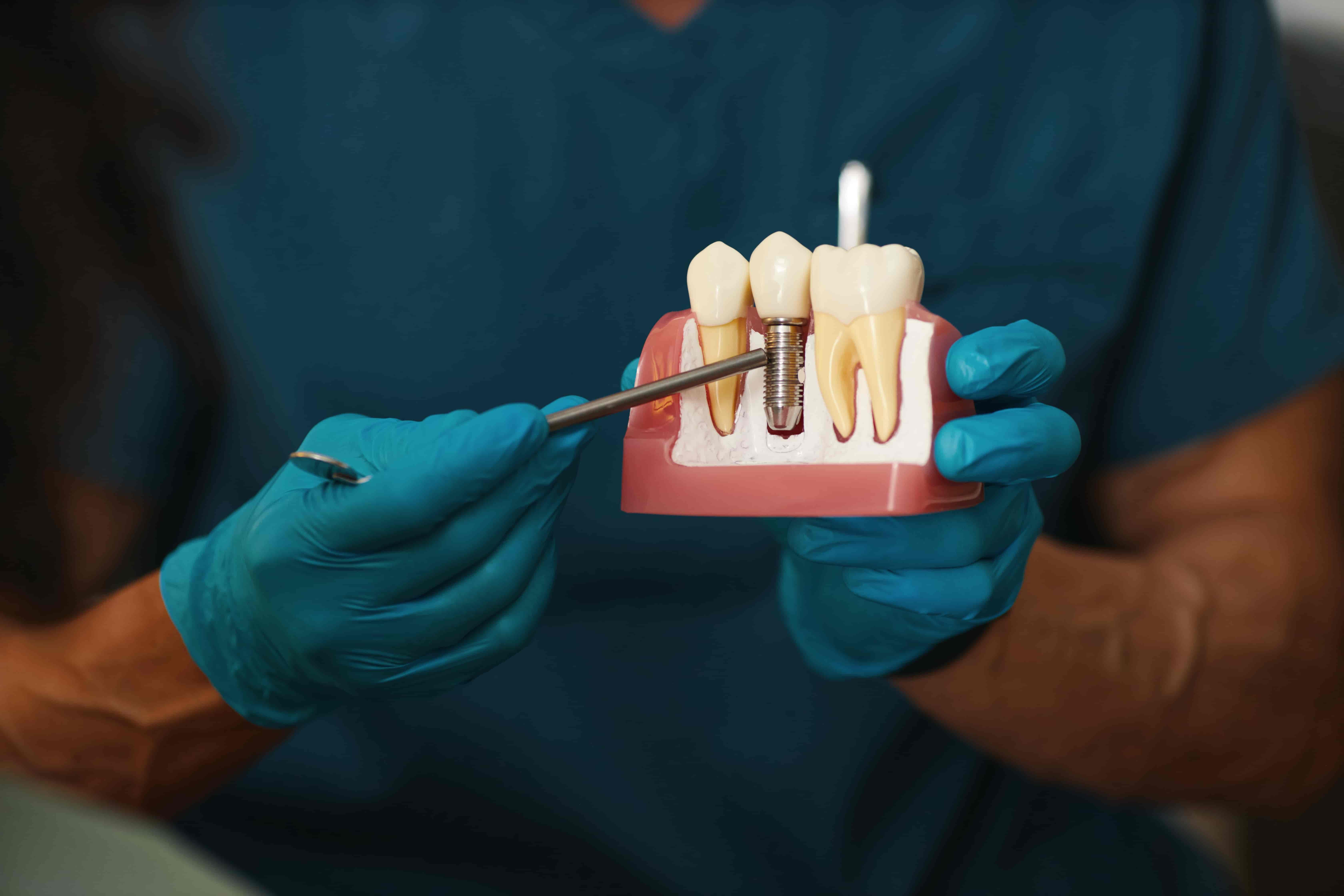
A Dental Implant: This is a titanium screw surgically placed into the jawbone. It acts as a new artificial root. A crown is then screwed onto this root. It does not rely on neighboring teeth.
The Hidden Factor: Bone Loss
This is the single most important factor that most patients ignore when it comes to implant vs bridges. When you lose a tooth, the jawbone underneath begins to shrink (resorb) because it no longer has a root to stimulate it.
Bridges do not stop bone loss. Over 10-15 years, the gum beneath the bridge may shrink, creating a visible black gap.
Implants stimulate the jawbone just like a natural root, preserving your facial structure and preventing that "sunken" look often associated with tooth loss.
Dental Implant vs Bridge Cost Comparison (2026 Data)
Dental Bridge:
Cost: $3,000 – $5,000 (for a 3-unit bridge).
Insurance: Most dental plans cover 50% of this procedure.
Lifespan: 10-15 years. You will likely pay to replace it twice in your life.
Dental Implant:
Cost: $4,000 – $6,000 (for a single tooth, including the post and crown).
Insurance: Often considered "cosmetic," though more plans in 2026 are covering the crown portion.
Lifespan: 25+ years to Lifetime. It is often a "one-and-done" payment.
The "Bone Graft" Question
If you choose an implant, ask your dentist: "Do I have enough bone?" If your tooth has been missing for years, your jawbone may be too thin to hold a screw. You might need a bone graft (an extra $500 - $1,000) to build up the site before the implant can be placed. Bridges do not require this.
Which Should You Choose?
Choose a Bridge If: You want a faster fix (2 weeks vs. 4-6 months for implants), you have significant bone loss, or you are on a strict budget and rely on insurance coverage.
Choose an Implant If: You want to protect your neighboring healthy teeth from being filed down, you want to prevent bone loss, and you are looking for a lifetime solution.
Conclusion
While the upfront cost of an implant is higher, the long-term value is undeniable. A bridge is a repair; an implant is a replacement. By choosing the implant, you aren't just filling a gap; you are rebuilding your smile from the foundation up.



